Spices & Masalas for Restaurants

Source premium spices from India's trusted brands — MDH, Everest, Catch. Bulk packs at wholesale pricing for commercial kitchens.

Why Spice Quality Matters for Restaurants

Spices define your restaurant's flavour profile. Inconsistent spices lead to inconsistent dishes — the number one reason customers stop returning. Commercial kitchens need spices that deliver the same colour, heat level, and aroma batch after batch. This is why branded spices from established companies outperform loose market spices for restaurant use.

Essential Spices for Indian Restaurant Kitchens

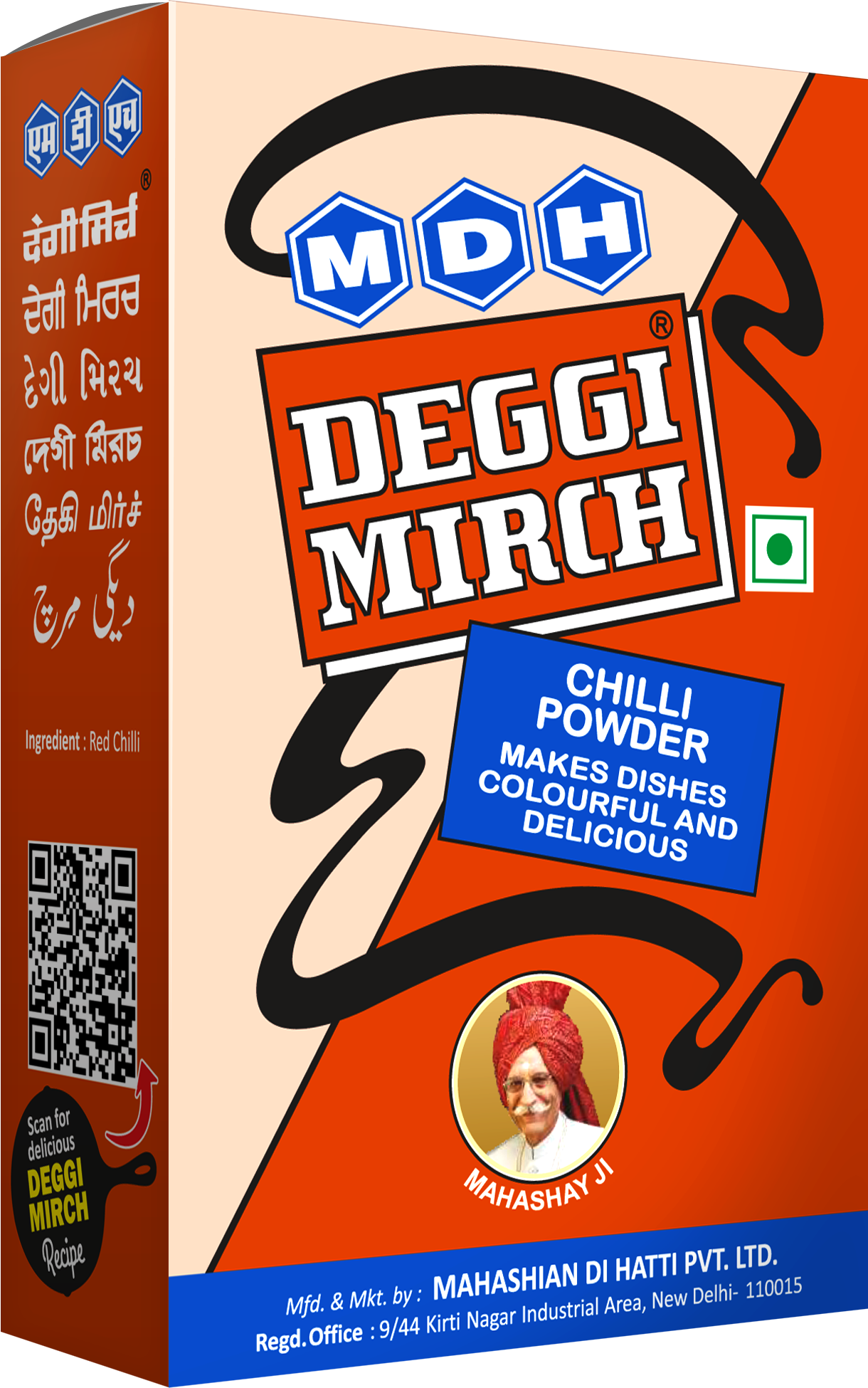
Red Chilli Powder (Deggi Mirch): The backbone of Indian cooking. Deggi mirch gives colour with mild heat — essential for tandoori, butter chicken, and gravies. MDH Deggi Mirch is the industry standard. Budget ₹200-280/kg for quality branded powder.

Turmeric: Used in virtually every Indian dish. Look for bright yellow colour and strong earthy aroma. Everest and MDH offer consistent quality in 1kg and 5kg institutional packs.

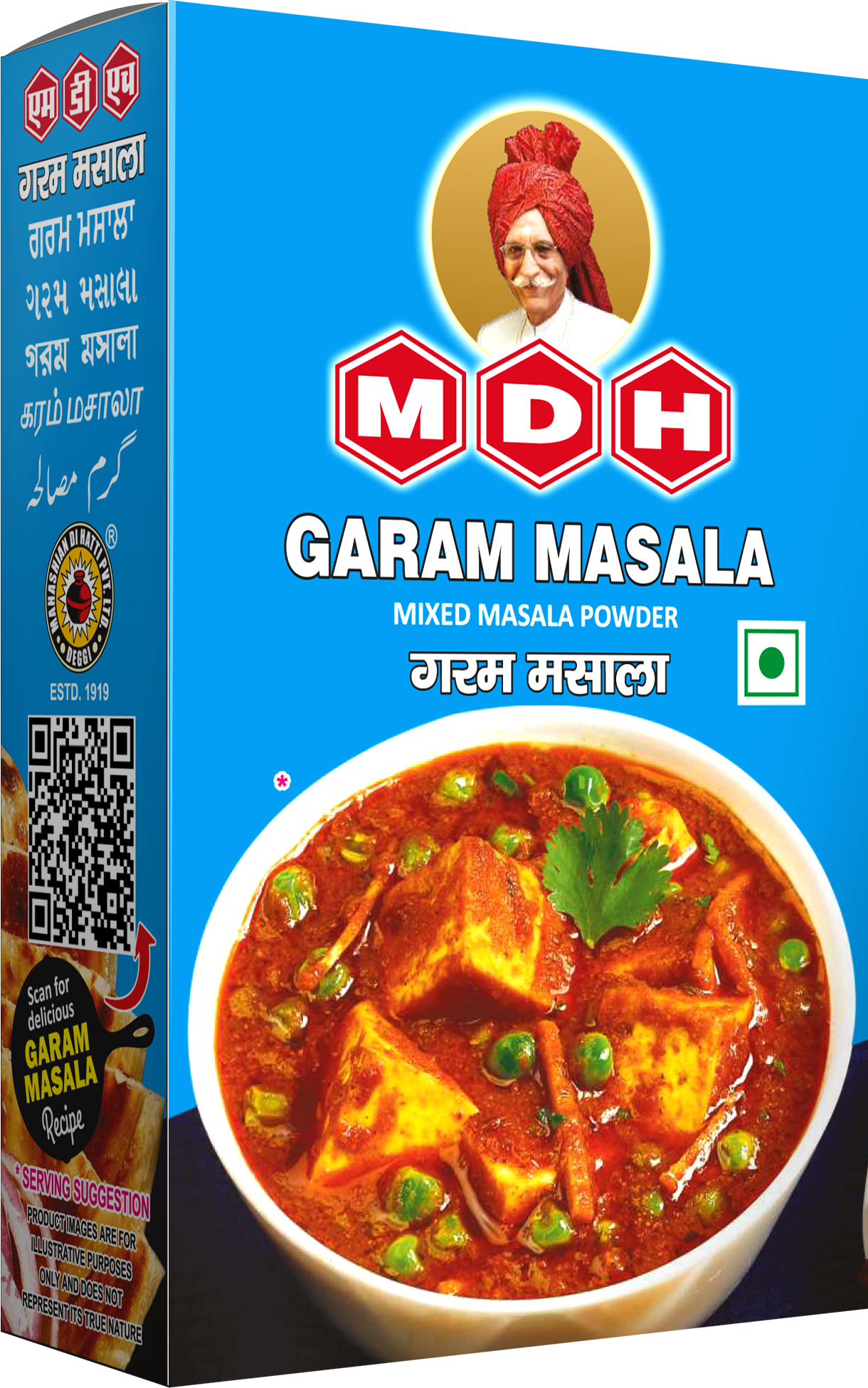
Garam Masala: Finishing spice for curries and gravies. Quality varies enormously — branded options ensure consistency. MDH and Everest garam masalas are the most widely used in restaurants.

Coriander Powder: Base spice for most curry preparations. Buy in 5kg bulk packs for best pricing.

Branded vs Loose Spices

Loose spices from APMC markets are 20-30% cheaper but come with risks: adulteration, inconsistent quality, and no traceability. For restaurants serving 100+ covers daily, the cost difference per plate is negligible (₹1-2), while the quality consistency from branded spices protects your reputation.

Frequently Asked Questions

Which spice brand is most used in Indian restaurants?
MDH and Everest dominate the institutional spice market in India. MDH is particularly popular in North India for their Deggi Mirch, Kitchen King, and Garam Masala. Everest is strong in West and South India. Both offer reliable quality in bulk institutional packs (1kg, 5kg sizes).
How much do restaurants spend on spices per month?
Spices typically account for 3-5% of food cost. A mid-size Indian restaurant (80-100 covers) spends ₹15,000-30,000/month on spices. A biryani or North Indian restaurant with spice-heavy dishes may spend ₹30,000-50,000/month. Buying branded 5kg packs is more cost-effective than 100g retail packs.
How should restaurants store bulk spices?
Store in airtight containers in a cool, dark, dry area. Whole spices last 12-18 months; ground spices 6-12 months. Label containers with opening dates. Never store above the stove — heat degrades flavour. Keep a 2-week supply in the kitchen and bulk stock in a separate dry store.
Are FSSAI-certified spices mandatory for restaurants?
Yes, FSSAI mandates that all food ingredients used in restaurants must be from FSSAI-licensed manufacturers. Using unbranded, unregistered spices can result in fines during inspection. Branded spices from MDH, Everest, Catch etc. carry FSSAI certification on every pack.
What is the minimum order for bulk spice purchases?
Most brands sell institutional packs starting from 1kg. For wholesale pricing, dealers typically have MOQs of 5-10kg per spice variant. On amigo.gg, you can check each product's MOQ and contact dealers directly for the best institutional rates.