Rice for Restaurants
Source premium basmati rice from India's top brands — Daawat, India Gate, Kohinoor. Compare products, find dealers, and get wholesale pricing.
7 products found
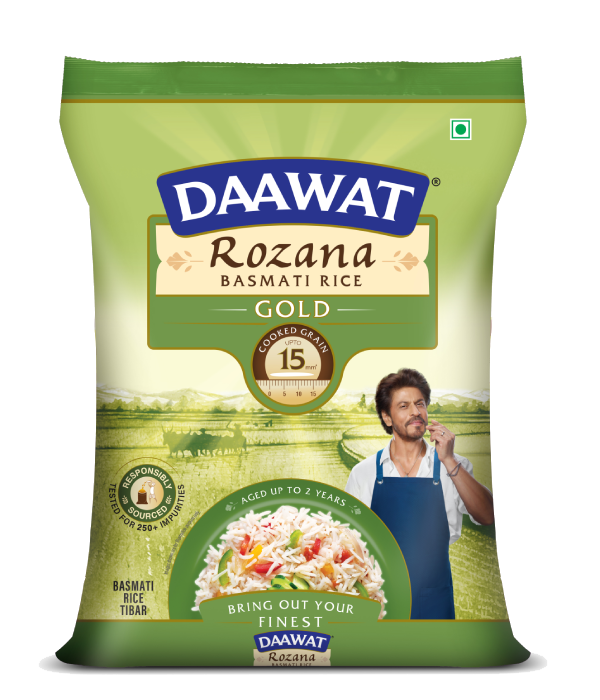
Daawat Rozana Basmati Rice 25kg
₹1.2K - ₹1.4K / bag
MOQ: 10 bags

Daawat
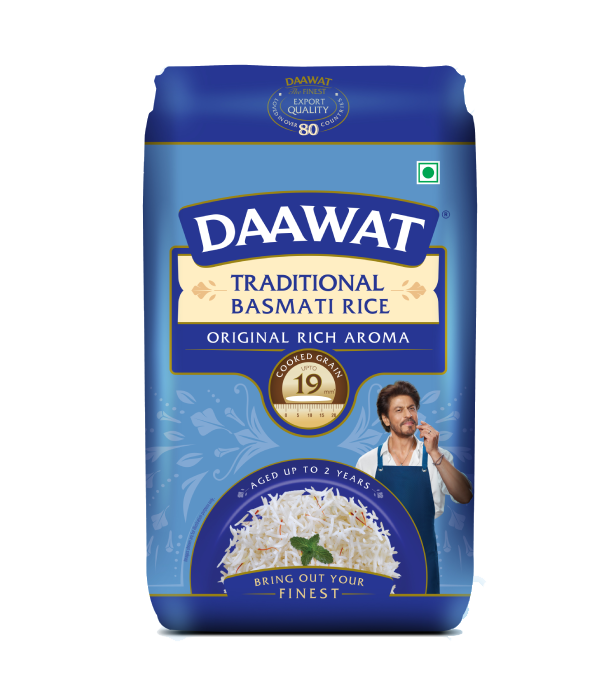
Daawat Traditional Basmati Rice 25kg
₹1.8K - ₹2.2K / bag
MOQ: 5 bags
Daawat
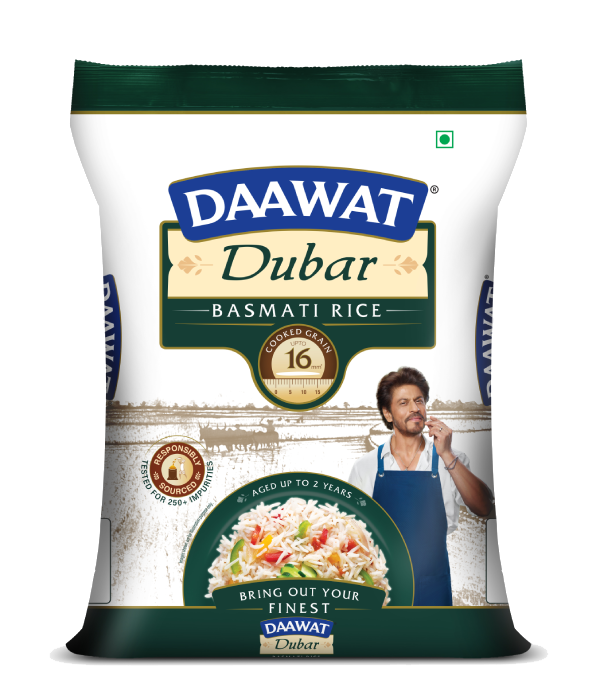
Daawat Dubar Basmati Rice 25kg
₹900 - ₹1.1K / bag
MOQ: 20 bags
Daawat
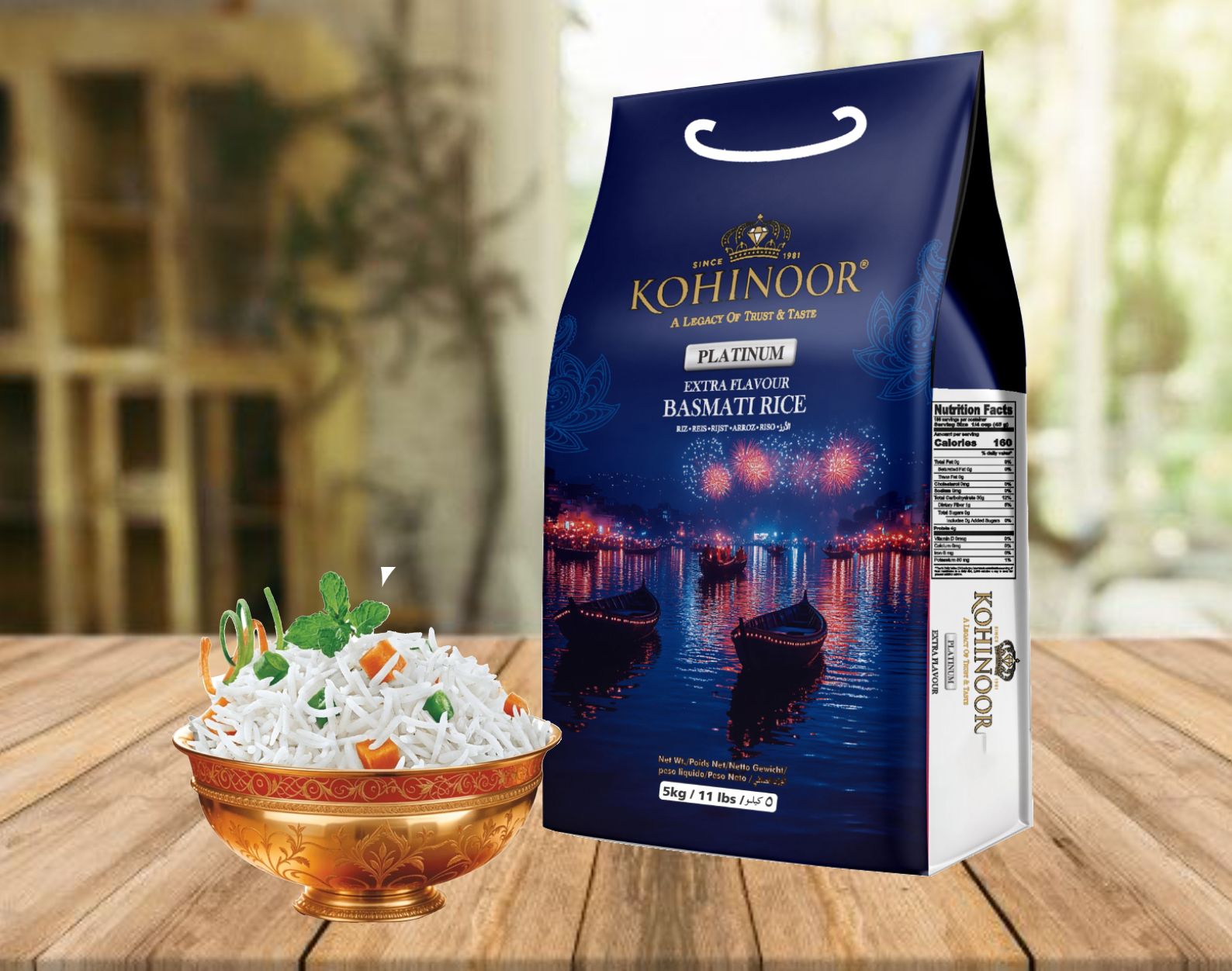
Kohinoor Super Basmati Rice 25kg
₹2K - ₹2.4K / bag
MOQ: 5 bags

Kohinoor
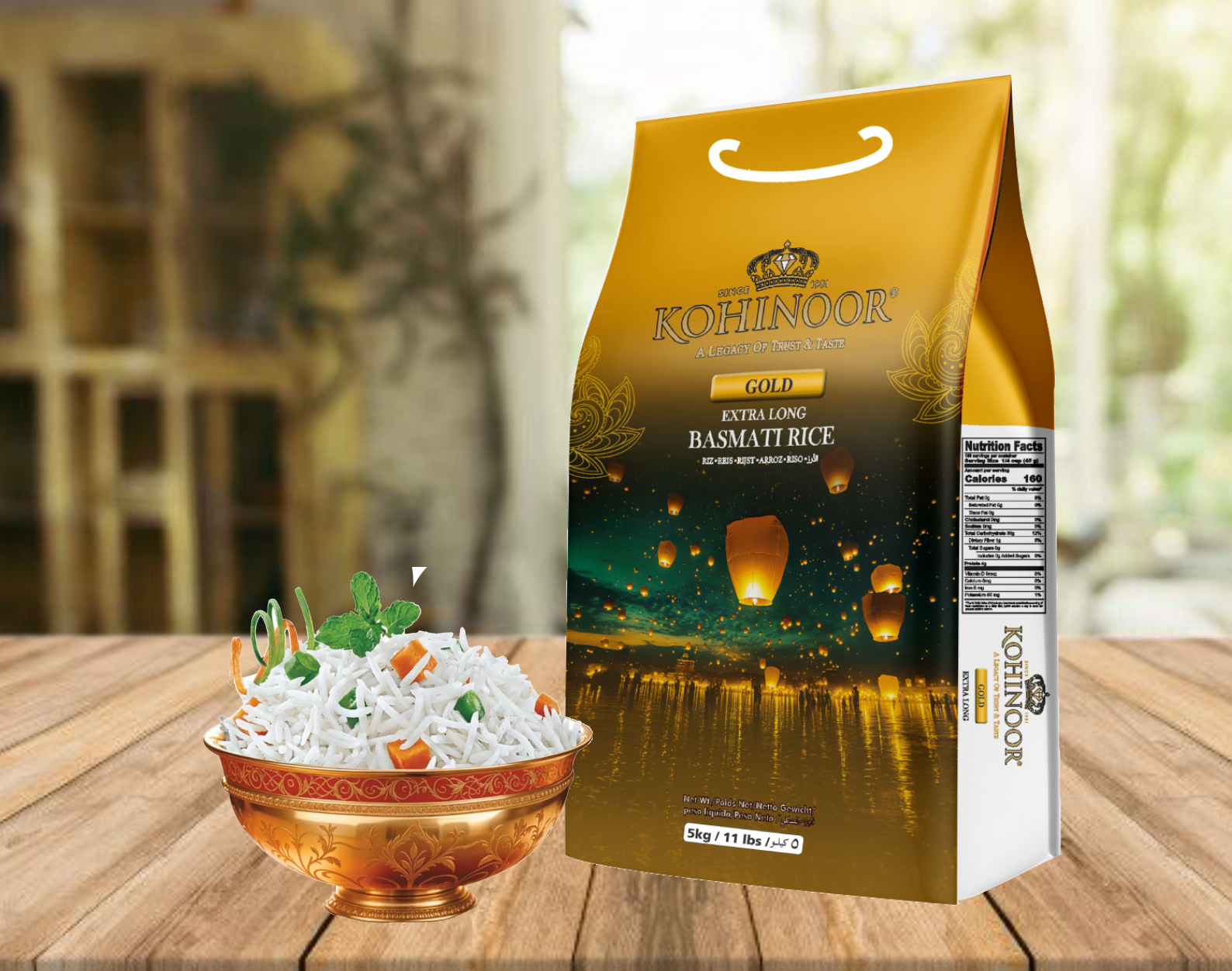
Kohinoor Gold Basmati Rice 25kg
₹1.5K - ₹1.8K / bag
MOQ: 10 bags
Kohinoor
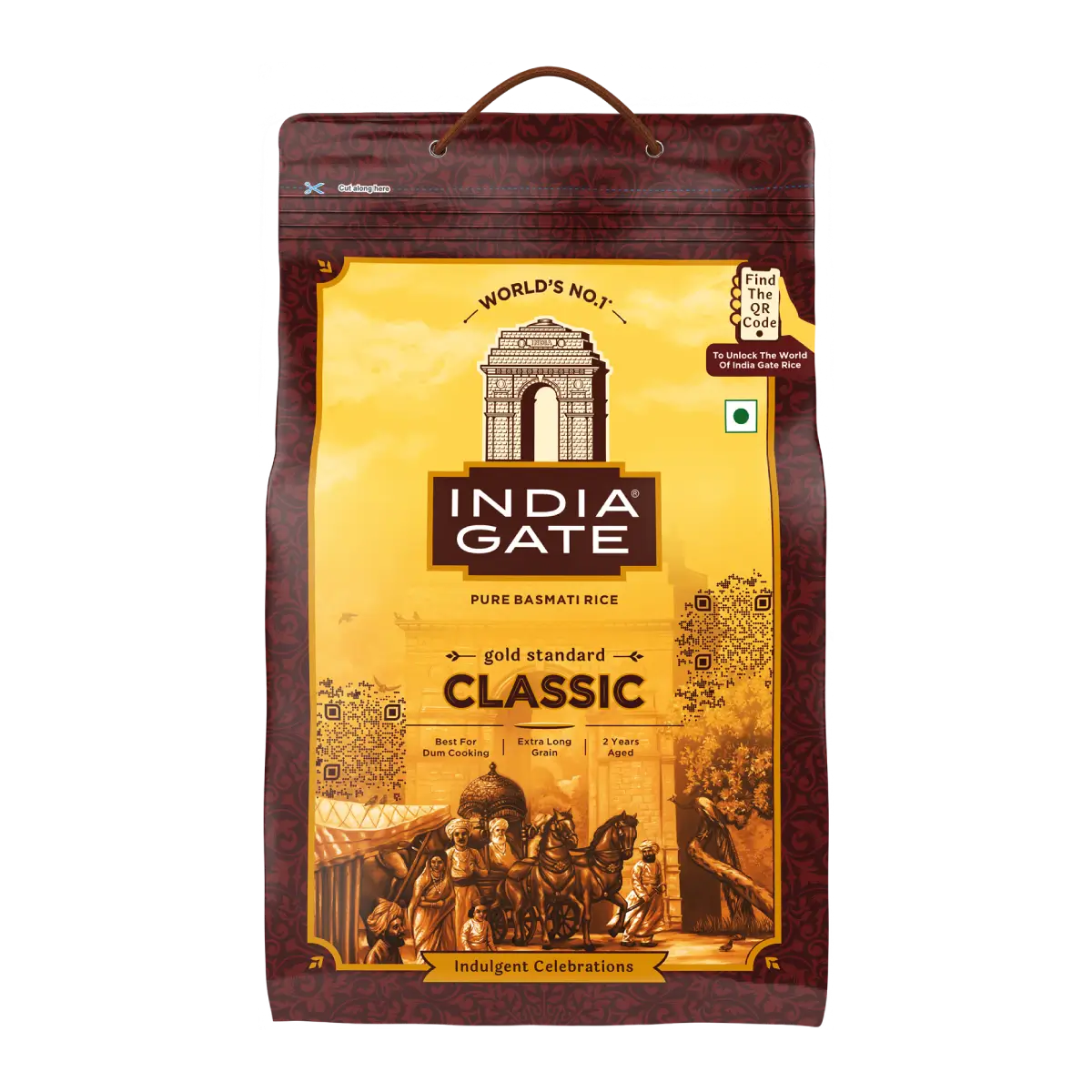
India Gate Classic Basmati Rice 25kg
₹1.3K - ₹1.5K / bag
MOQ: 10 bags

India Gate
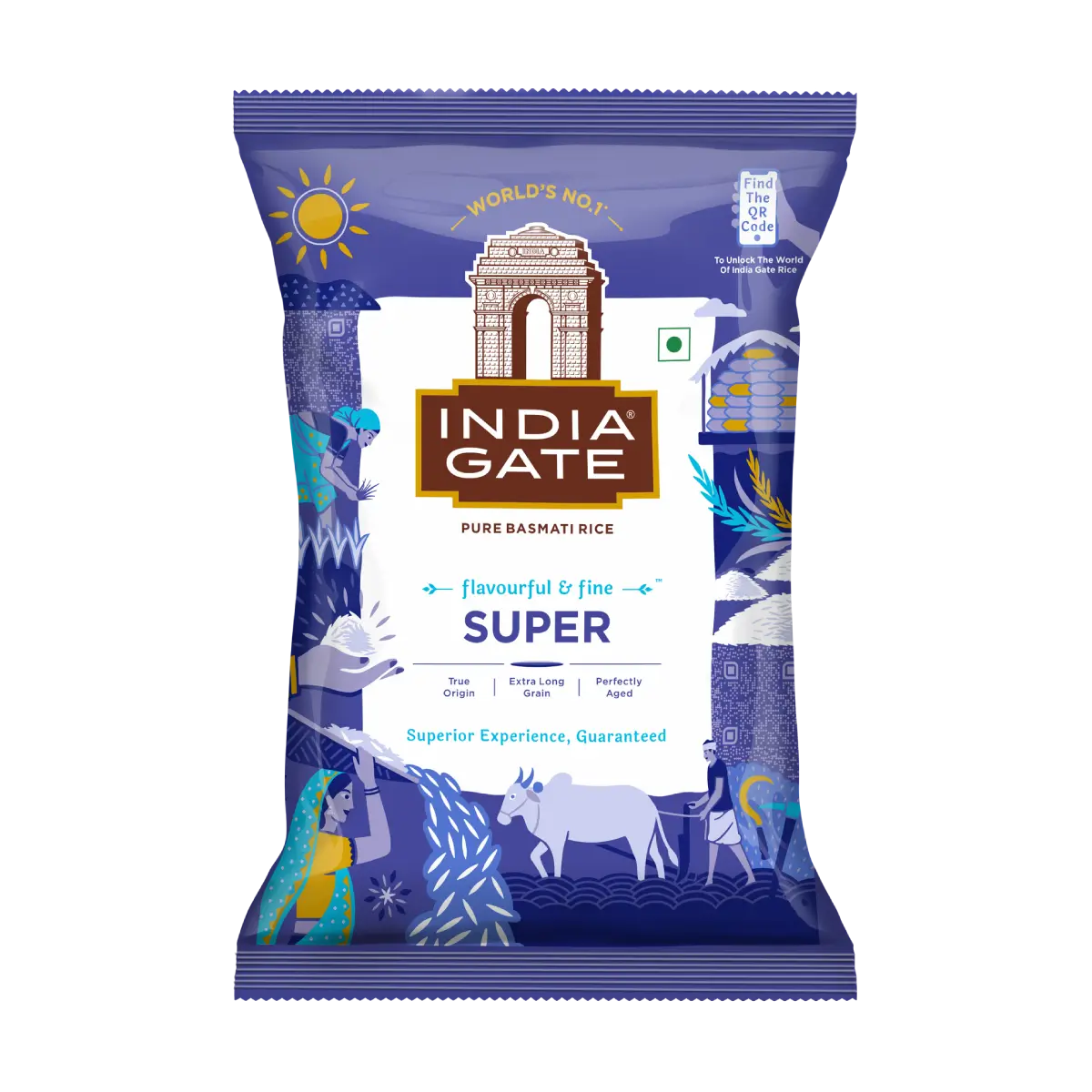
India Gate Super Basmati Rice 25kg
₹1.8K - ₹2.1K / bag
MOQ: 5 bags
India Gate
Choosing the Right Rice for Your Restaurant
Rice is the foundation of Indian cuisine — from biryani and pulao to plain steamed rice and idli. The rice you choose directly impacts your food quality, customer satisfaction, and food cost. For restaurants, consistency is key — every batch must cook the same way, with the same grain length, aroma, and texture.
Basmati vs Non-Basmati
Basmati Rice: Long grain, aromatic, and prized for biryani and pulao. Aged basmati (12-18 months) delivers better grain separation. Key varieties include 1121 (extra-long grain), Pusa Basmati, and Traditional Basmati. Prices range from ₹40-100/kg depending on quality and aging.
Non-Basmati Rice: Sona Masoori, Ponni, and Kolam are popular in South Indian restaurants for everyday meals. Shorter grain, stickier texture, and significantly cheaper (₹30-50/kg). Ideal for rice-heavy menus like meals, thalis, and curd rice.
Buying Rice in Bulk for Restaurants
Most restaurant-grade rice comes in 25kg or 50kg bags. Key factors when buying: grain length after cooking (should be 2-3x raw length for basmati), broken grain percentage (lower is better — under 5% for premium), aroma strength, and consistency across batches. Always request a sample bag before committing to large orders.
Popular Rice Brands on amigo.gg
Daawat by LT Foods — Rozana (everyday), Traditional (premium), Chef's Secretz (HoReCa). India Gate by KRBL — Classic, Super, Feast Rozzana. Kohinoor — Super, Gold, Silver variants. All available with dealer contacts and wholesale pricing on amigo.gg.